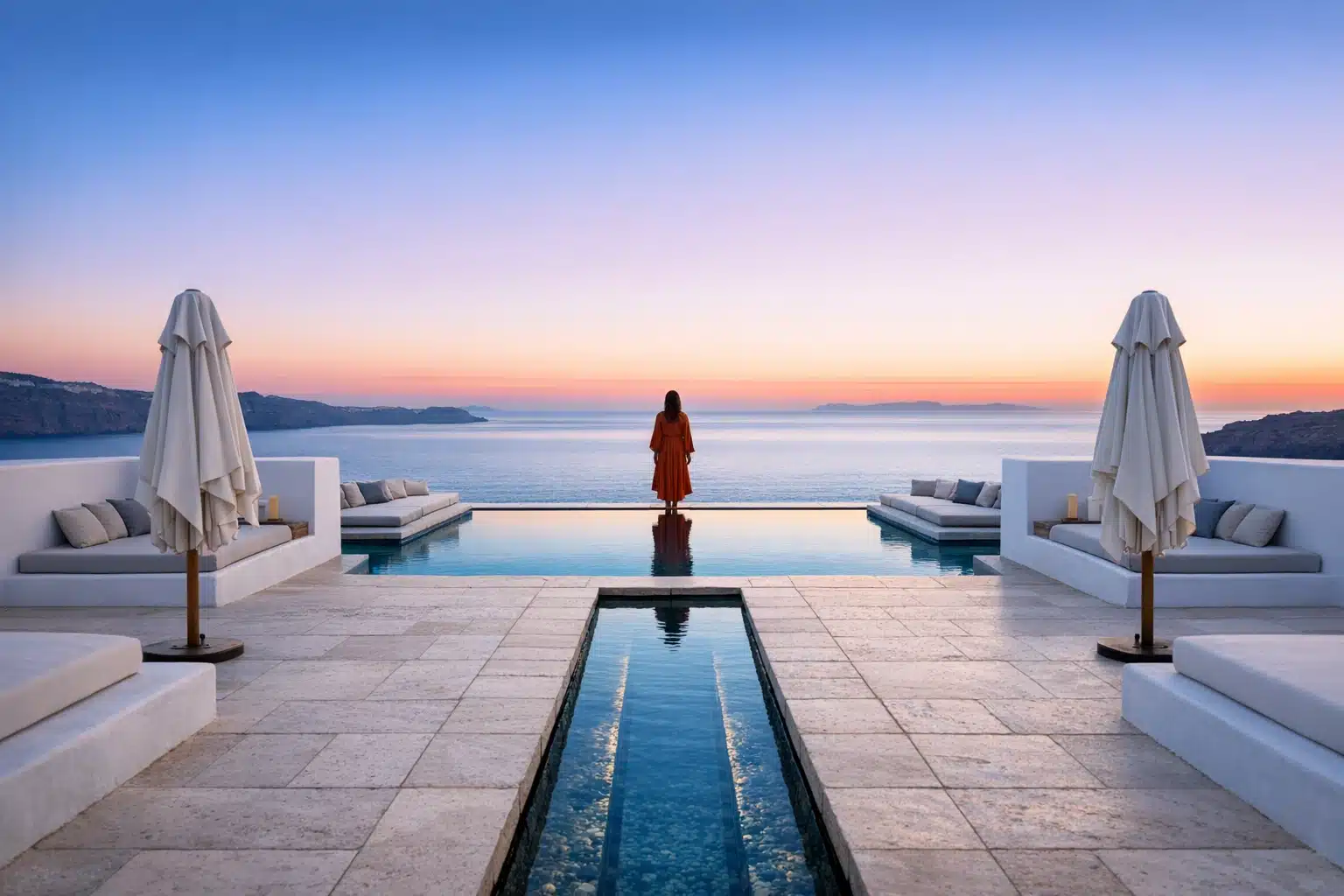
 Artificially generated image
 Discover the Allure of Adults-Only Resorts
Adults-only resorts have become a distinct corner of modern travel because they answer a simple wish: time away that feels calmer, more tailored, and less crowded by competing rhythms. For couples, solo travelers, and groups of friends, these properties create space for slow breakfasts, quiet pools, and evenings that can stretch naturally from dinner into music, conversation, or stargazing. This article looks at why the format appeals to so many travelers, how it compares with other stays, and what to consider before booking.
Outline
1. What adults-only resorts are and why travelers find them appealing.
2. How they compare with family-friendly resorts, standard hotels, and other vacation formats.
3. The main types of adults-only resorts and the travel styles they serve.
4. Practical advice for choosing, booking, and budgeting for the right stay.
5. A conclusion focused on who benefits most from this kind of getaway.
What Makes Adults-Only Resorts So Appealing
At the most basic level, an adults-only resort is a property that limits guests below a certain age, often 16, 18, or 21 depending on the brand, country, and concept. That sounds like a simple policy decision, yet the real difference runs deeper. When a resort knows its guests are adults, it can design the entire experience around adult routines and preferences. Pool areas tend to be quieter. Dining often runs later into the evening. Bars, wine programs, cooking classes, spa rituals, and live music become more central to the atmosphere. Even the architecture may reflect this intention, with secluded terraces, swim-up suites, reading lounges, and restaurants built for lingering rather than rushing.
For many travelers, the attraction is not about luxury alone. It is about control over pace. In a mixed-age resort, public spaces are shared by families with very different schedules and needs. There is nothing wrong with that model, but it creates a distinct energy: earlier mornings, more activity around main pools, family entertainment, and louder transitions throughout the day. Adults-only resorts shift the tone. The silence around a sunrise pool can feel almost architectural, as if the property itself has been arranged to let your mind slow down.
Common features often include:
- Dedicated spa and wellness programming
- More refined dining and cocktail menus
- Entertainment aimed at adults, such as jazz sets, tastings, or themed dinners
- Quieter communal areas for reading, working remotely, or simply resting
- Room categories that emphasize privacy, such as plunge pools or private cabanas
That said, adults-only does not automatically mean formal, romantic, or expensive. Some resorts are serene and wellness-focused, while others lean social, playful, and energetic. One property may feel like a peaceful retreat with yoga at dawn and herbal tea after sunset; another may revolve around beach DJs, rooftop cocktails, and a lively crowd. The category is broader than many first-time travelers expect.
The appeal also comes from predictability. Guests usually know the setting they are buying into. If someone is planning a honeymoon, celebrating an anniversary, recovering from a demanding work season, or simply craving uninterrupted quiet, the adults-only label acts like a filter. It narrows the field and saves time. Rather than sifting through hundreds of family resorts and hoping for a peaceful corner, travelers can start with a format designed to offer a more composed environment from the beginning.
Adults-Only Resorts Compared with Family-Friendly Stays
Adults-only resorts are often marketed as a premium alternative to family-friendly properties, but the comparison is more nuanced than that. They are not inherently better; they are better suited to certain travel goals. A family resort is built to serve a wider age range, which usually means larger activity schedules, kids’ clubs, splash zones, early dining windows, and entertainment designed for broad appeal. Adults-only resorts narrow that scope. In exchange, they often deliver a more consistent ambiance, especially in shared spaces.
Imagine two oceanfront resorts with similar views and similar room sizes. At the family-friendly property, the main pool may be the center of daytime activity, with games, music, and a lively schedule. At the adults-only property next door, the same square footage might be used for cabanas, a quieter deck, or a bar service area with curated cocktails and small plates. Neither setup is wrong. They simply answer different versions of leisure.
Key differences usually appear in these areas:
-
Atmosphere: adults-only resorts tend to feel calmer, especially around pools, spas, and dining venues.
-
Amenities: family resorts invest more in children’s programming, while adults-only resorts often focus on wellness, premium dining, and privacy-driven room categories.
-
Scheduling: adults-only properties often support later dinners, nightlife, and less structured days.
-
Social experience: some adults-only resorts are ideal for couples, while others are attractive to solo travelers and friend groups seeking easy conversation in shared spaces.
There are also tradeoffs. A family-friendly resort may offer better value for larger groups, more varied activity menus, and wider room options. Travelers who enjoy a bustling holiday atmosphere may actually prefer that environment. Adults-only resorts can feel too quiet for guests who want constant action, especially if the property leans heavily into wellness or romance. It is also worth noting that some adults-only resorts are all-inclusive, which simplifies budgeting, while others are not. That affects price comparisons.
Compared with standard city hotels, adults-only resorts usually provide a more immersive vacation bubble. Meals, activities, and entertainment are often on-site, reducing the need for daily planning. Compared with cruises, they offer more space and less crowd density, though not always the same level of moving entertainment. Compared with a private villa, they trade total seclusion for service, facilities, and social energy.
The smartest way to compare options is to ask one practical question: what kind of tired are you trying to solve? If you want convenience, quiet, and an environment shaped around adult habits, an adults-only resort can feel remarkably well calibrated. If you want variety above all, a different format may fit better.
The Different Types of Adults-Only Resorts
One reason adults-only travel keeps attracting attention is that the category is far from uniform. The phrase can suggest candlelit dinners and honeymoon suites, but that is only one corner of the market. In reality, adults-only resorts range from affordable all-inclusive beach stays to high-end wellness sanctuaries and stylish social hubs where the mood is more rooftop than retreat. Understanding these subtypes makes it much easier to book a trip that matches your actual personality rather than a brochure fantasy.
The most familiar type is the romantic all-inclusive resort. These properties are especially common in destinations such as Mexico, Jamaica, Saint Lucia, and the Dominican Republic. They often emphasize ocean views, couple-friendly excursions, room service, spa packages, and dining designed for long evenings. For newlyweds or partners marking a milestone, the appeal is obvious: once the reservation is made, much of the logistics fade into the background. Meals, drinks, and entertainment may already be included, which allows the trip to feel fluid and easy.
Then there is the wellness-focused adults-only resort. These properties may be found in beach destinations, mountain settings, or islands known for slower travel rhythms, from parts of Greece to Southeast Asia and beyond. Instead of centering nightlife, they highlight yoga, meditation, thermal circuits, nutrition-minded menus, sleep programs, and guided nature experiences. The luxury here is often less about spectacle and more about restoration.
Another major subtype is the social or lifestyle resort. These properties attract guests who want energy without the family-resort feel. Expect stylish design, curated playlists, themed dinners, beach clubs, mixology classes, and a crowd that often includes couples, groups of friends, and solo travelers. The tone is adult, but not necessarily hushed. It can feel like a small village built around shared leisure.
Other common formats include:
- Boutique adults-only hotels with a local, design-led identity
- Remote nature lodges that focus on privacy and scenery
- Luxury resorts where service, suite size, and culinary standards are the main draw
- Budget-friendly properties that deliver quiet and simplicity without extensive extras
Choosing among these options starts with honesty. Are you looking for romance, recovery, social ease, or design-driven indulgence? Do you want your days planned by the resort, or do you prefer to explore outside the gates? A resort in the Maldives, for example, may promise extraordinary seclusion, while an adults-only property in Ibiza or Tulum may tilt toward nightlife and scene. A countryside retreat in Portugal or a spa-focused stay in Bali may attract travelers who want calm over spectacle.
Think of adults-only resorts not as one genre, but as a shelf of different books. The cover may look similar from a distance, yet the experience inside can be meditative, celebratory, minimalist, or lavish. The better you understand your own travel rhythm, the easier it becomes to pick the right story.
How to Choose and Book the Right Resort
Booking an adults-only resort is easiest when you move beyond glossy photos and ask a series of practical questions. Beautiful imagery can make many properties look interchangeable, yet the real experience depends on details that are often tucked into fine print, guest reviews, and room descriptions. Two resorts may share a beachfront location and similar pricing, but one might feel serene and polished while the other is loud, crowded, and heavily event-driven. The difference usually reveals itself in the specifics.
Start with the age policy. Some resorts are 16-plus, others 18-plus or 21-plus. That affects the tone of the stay. Next, clarify whether the property is all-inclusive. This matters because value is not the same as price. A higher nightly rate may actually be more economical if it covers meals, drinks, airport transfers, fitness classes, and activities you would otherwise pay for separately. On the other hand, a non-inclusive resort in a walkable destination can be smarter for travelers who want to dine outside the property and explore local cafés or beach clubs.
Room categories deserve careful attention. An ocean-view room, a swim-up suite, and a private-pool villa can produce dramatically different experiences even within the same resort. If privacy matters, study the layout. A plunge pool that faces a high-traffic path may be less restful than a standard room with a quiet terrace. Likewise, if sleep quality is essential, check whether rooms are near nightlife areas, main stages, or busy bars.
A practical booking checklist includes:
- What is included in the rate, and what costs extra?
- Are restaurant reservations required before arrival?
- Is the main pool lively or quiet, and are there separate zones?
- How far is the resort from the airport, town center, or excursion pickup points?
- Are spa access, premium drinks, or cabanas part of the package?
- What do recent reviews say about service consistency and food quality?
Season also shapes the outcome. Peak dates can bring higher prices and fuller occupancy, which may soften the sense of exclusivity. Shoulder season often offers a better balance of rates, weather, and breathing room, although conditions vary by destination. In tropical regions, for instance, lower prices may overlap with rainy periods, so savings need to be weighed against weather risk.
Finally, match the resort to your personal habits. If you wake early and love quiet mornings, choose a property known for wellness or low-key luxury. If your ideal holiday starts at sunset, find a place with evening entertainment and a social crowd. Read reviews not just for ratings, but for patterns. When multiple guests mention weak housekeeping, hard-to-book restaurants, or thin walls, treat that as useful intelligence. A good booking is rarely about finding the most glamorous option. It is about finding the one whose daily rhythm feels compatible with yours.
Conclusion: Who Will Love an Adults-Only Resort Most?
Adults-only resorts are not for every traveler, and that is exactly why they work so well for the right one. If your dream vacation involves quiet over commotion, long meals over rushed schedules, and spaces designed with adult preferences in mind, this format can feel less like a splurge and more like smart planning. Couples often gravitate toward these properties because they make celebration easier, whether the occasion is a honeymoon, anniversary, or simply a week stolen back from normal life. Yet the audience is wider than the marketing sometimes suggests.
Solo travelers can find adults-only resorts appealing when they want safety, structure, and ease without sacrificing calm. Friend groups may appreciate being able to split time between beach lounging, nightlife, and spa hours without the mixed expectations that shape more family-centered properties. Burned-out professionals, especially those who spend their days surrounded by noise, deadlines, and screens, may value the quietest luxury of all: not having to negotiate the mood of every shared space.
The best candidates often include:
- Couples seeking a peaceful, celebration-friendly getaway
- Friends who want a stylish base for dining, beach time, and evening entertainment
- Solo guests who prefer a more settled atmosphere and easier logistics
- Wellness-focused travelers looking for sleep, spa time, and slower daily routines
- Visitors who value convenience and are willing to pay for a more curated experience
For this audience, the central benefit is not just the absence of children. It is the presence of intention. Adults-only resorts typically edit the travel experience in a way that reduces friction. You do not have to hunt for the quiet pool, wonder whether dinner service ends too early, or compete with a packed activity schedule that was designed for someone else. When the property is chosen well, the trip feels aligned from the start.
If you are considering one, begin with your travel motive rather than the trend. Decide whether you want romance, recovery, sociability, or simple stillness. Then choose the destination, style, and budget that support that mood. Done thoughtfully, an adults-only resort can offer more than comfort. It can give you the rare pleasure of a holiday that moves at the speed you have been missing all year.